-
- hr
- en
- hr
- en
XR Cultural Heritage
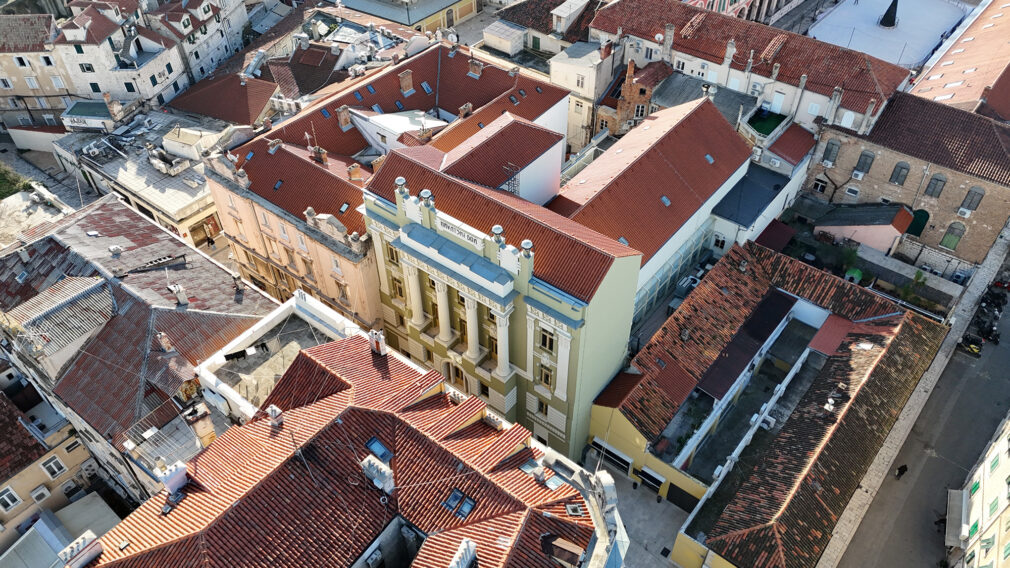
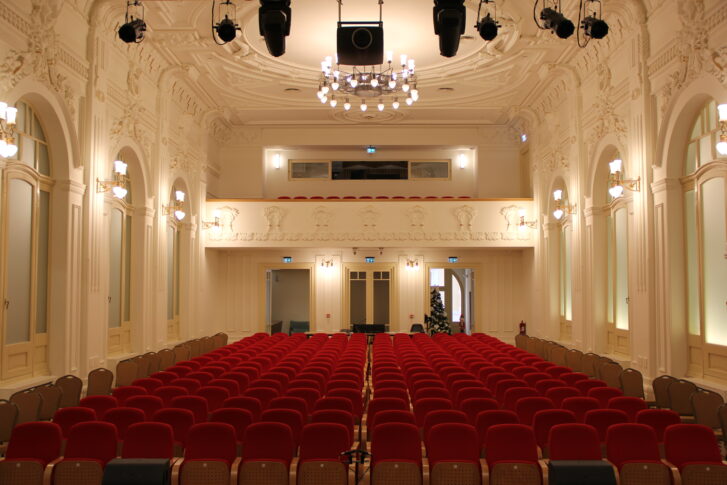
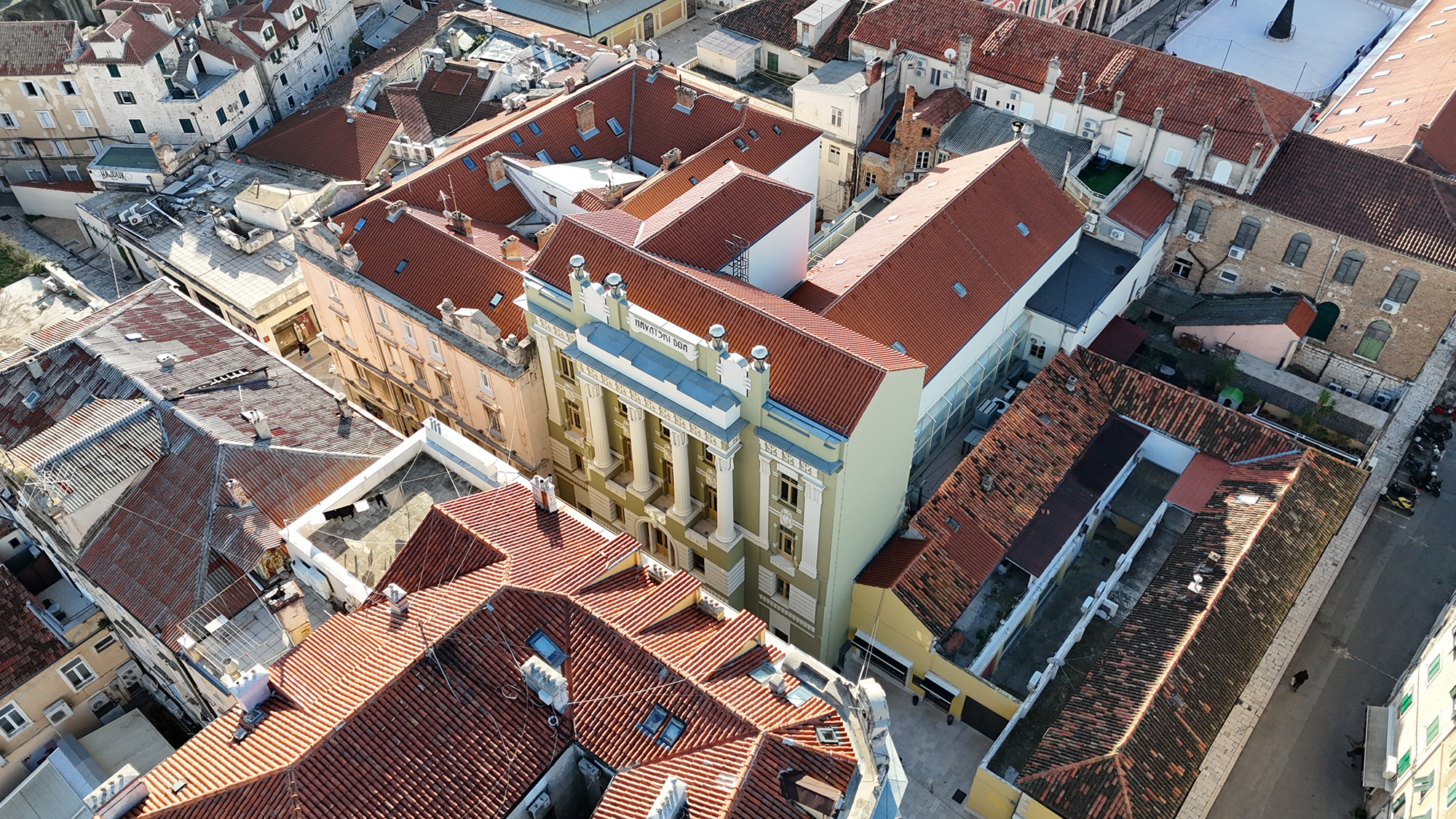
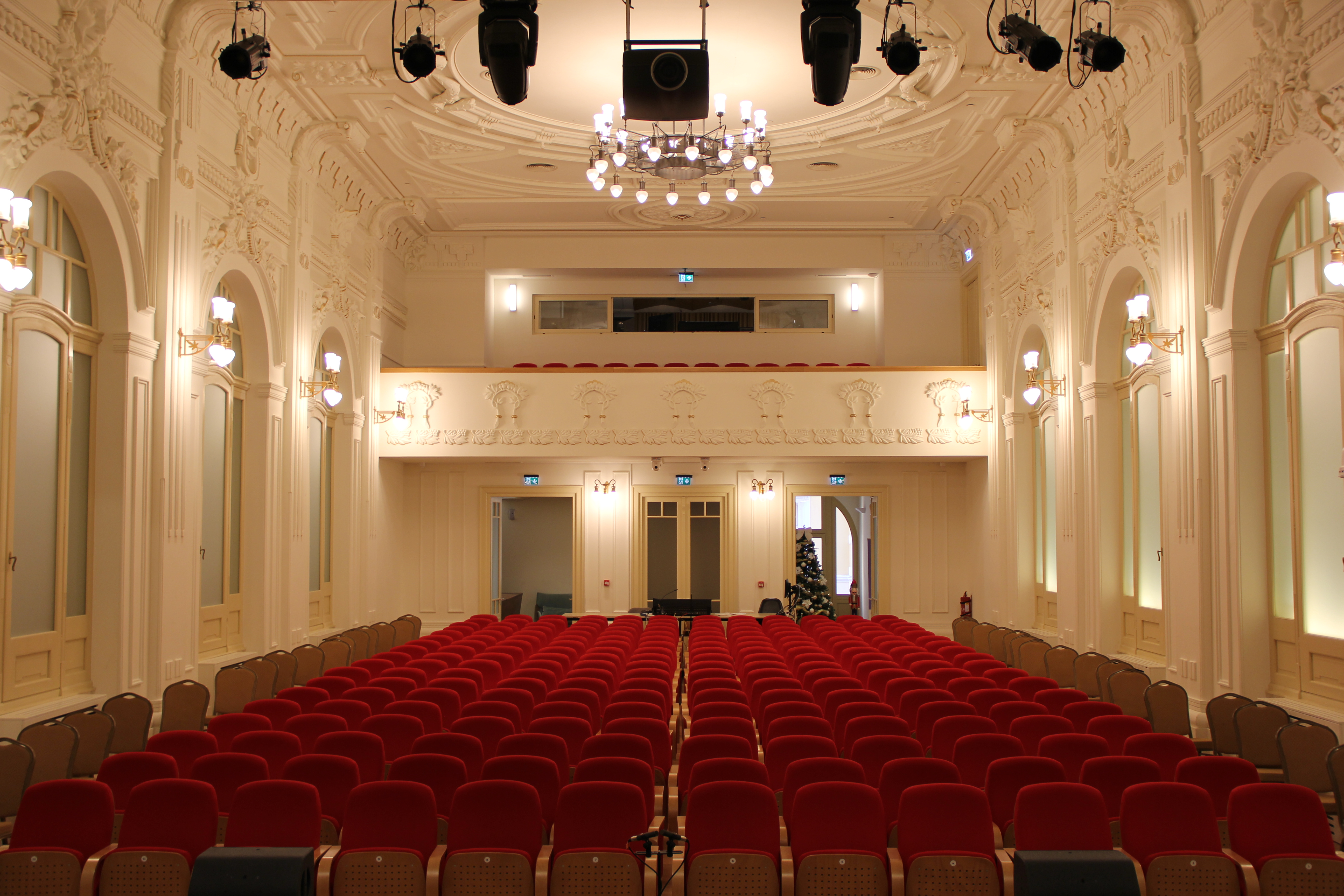
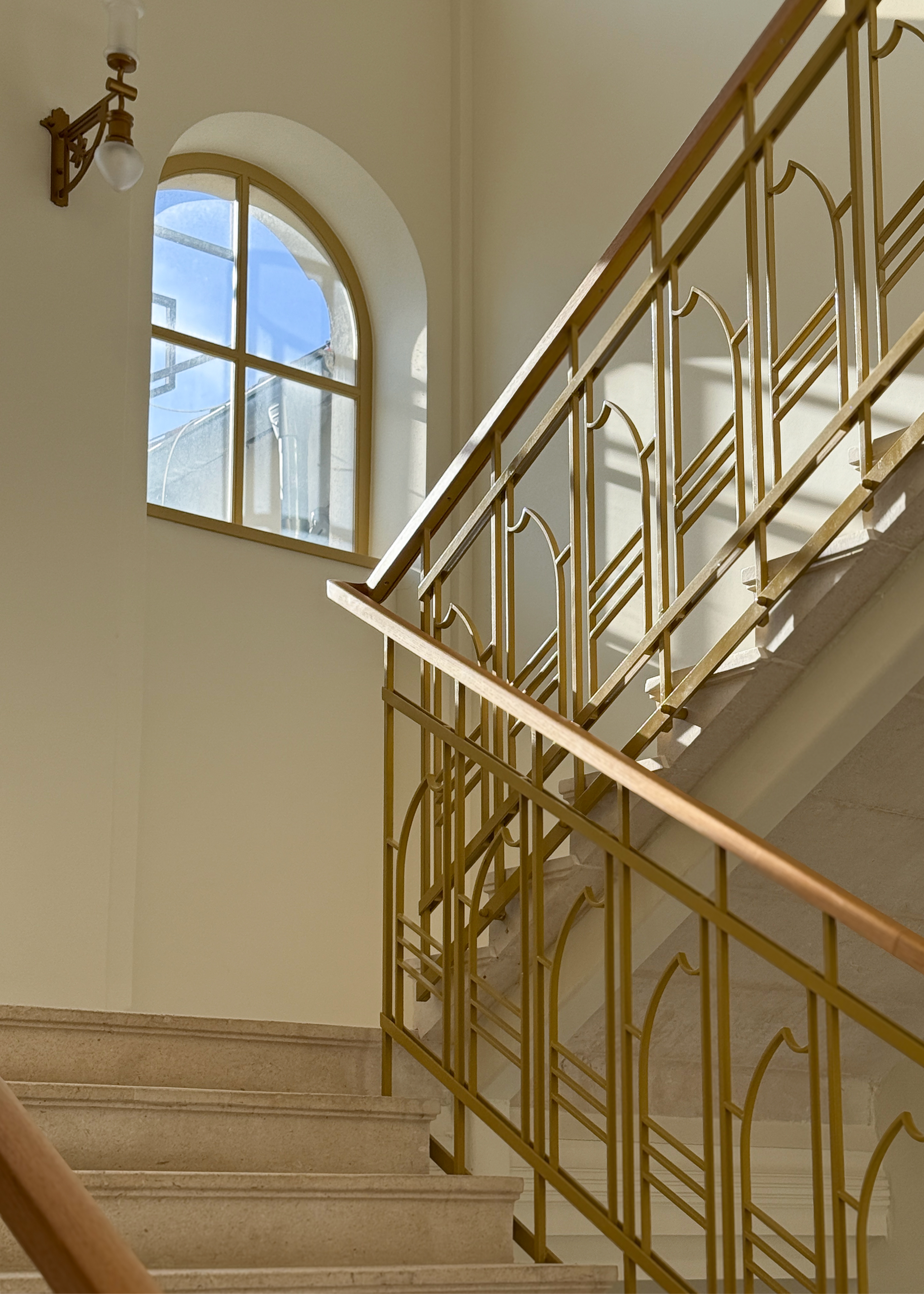
As part of the EU project XR Cultural Heritage, the digitalization of the Croatian House building in Split was carried out with the aim of exploring the application of contemporary 3D technologies in the documentation of architectural heritage. The Croatian Cultural Centre was selected as an example of a valuable and historically layered building that underwent a comprehensive restoration in 2019, during which its original Art Nouveau features were reinstated and its historical role in the cultural and social life of Split was reaffirmed.
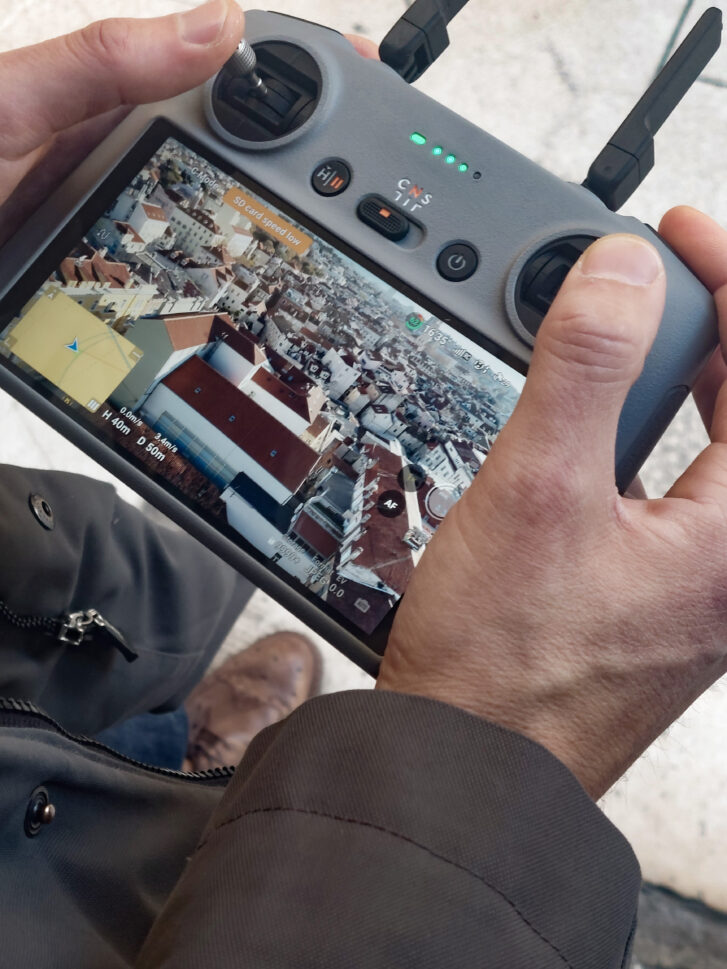
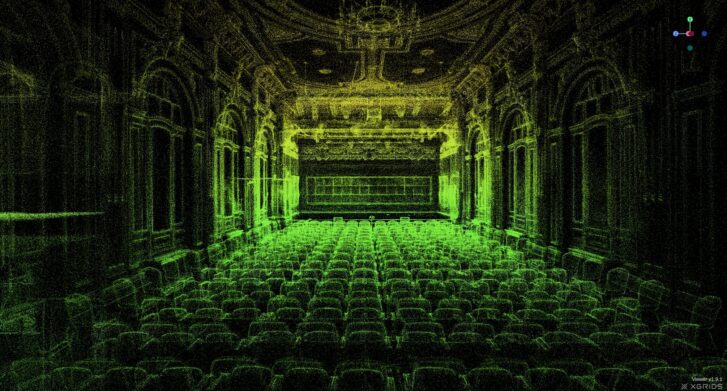
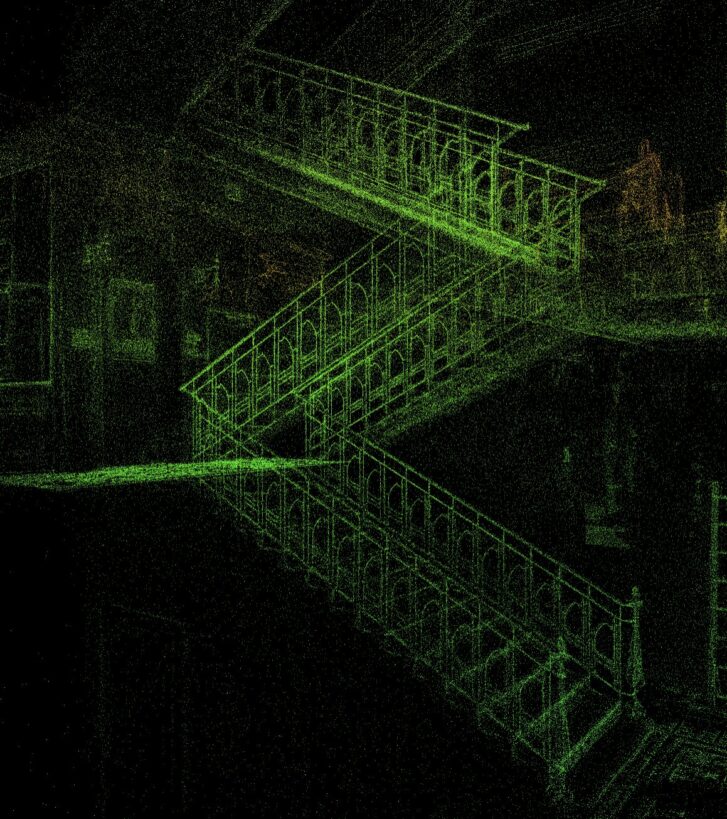
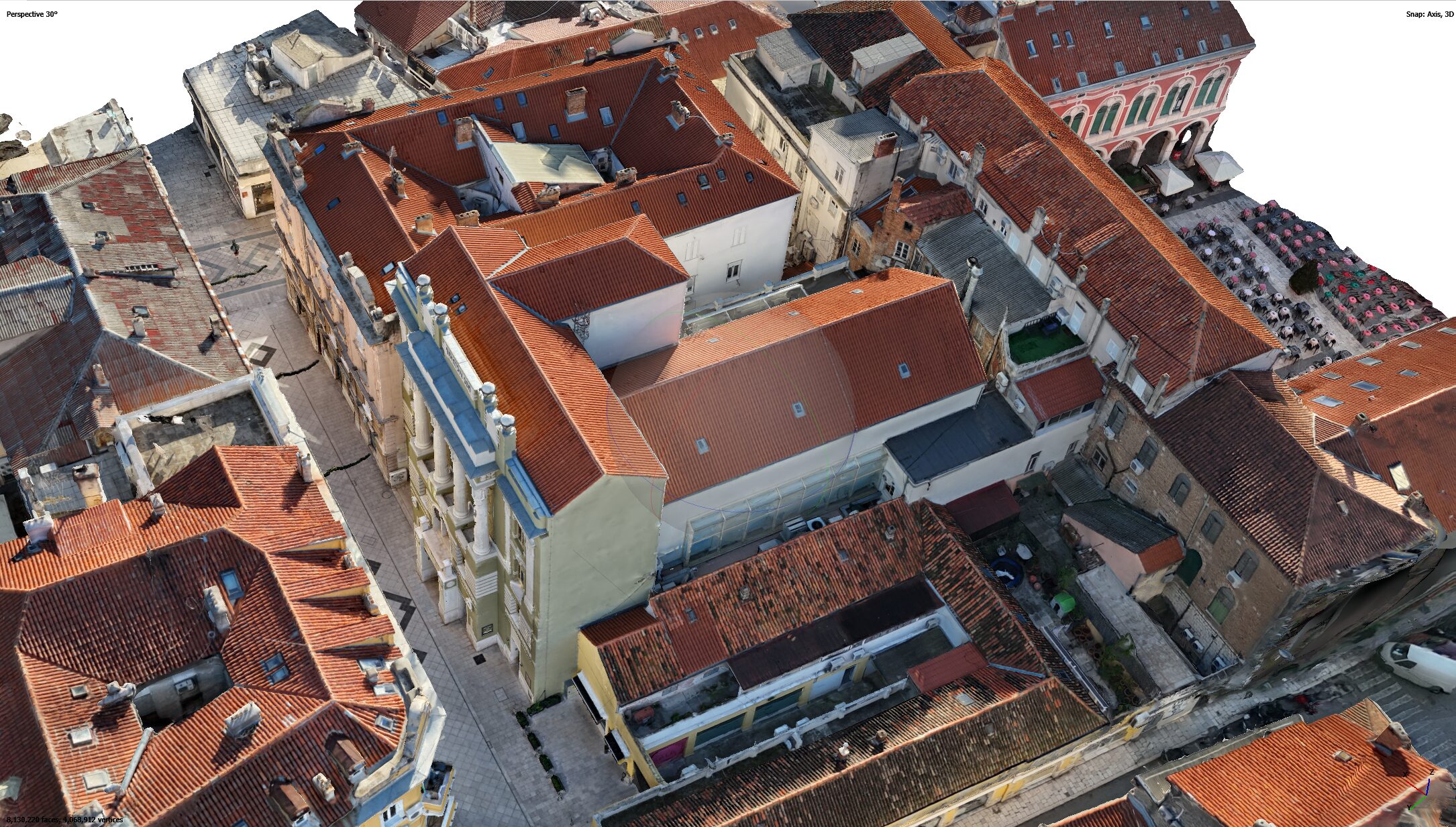
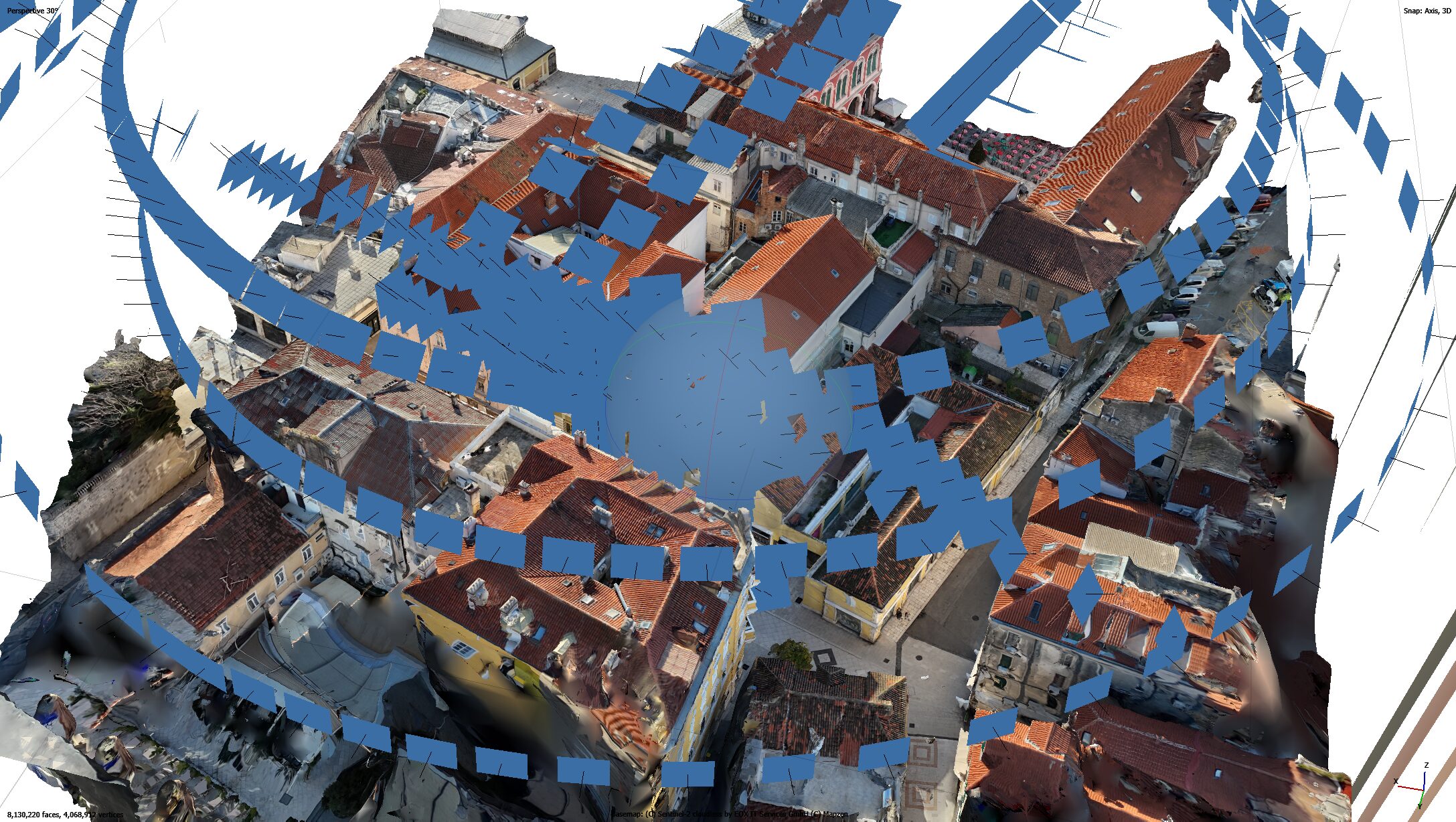
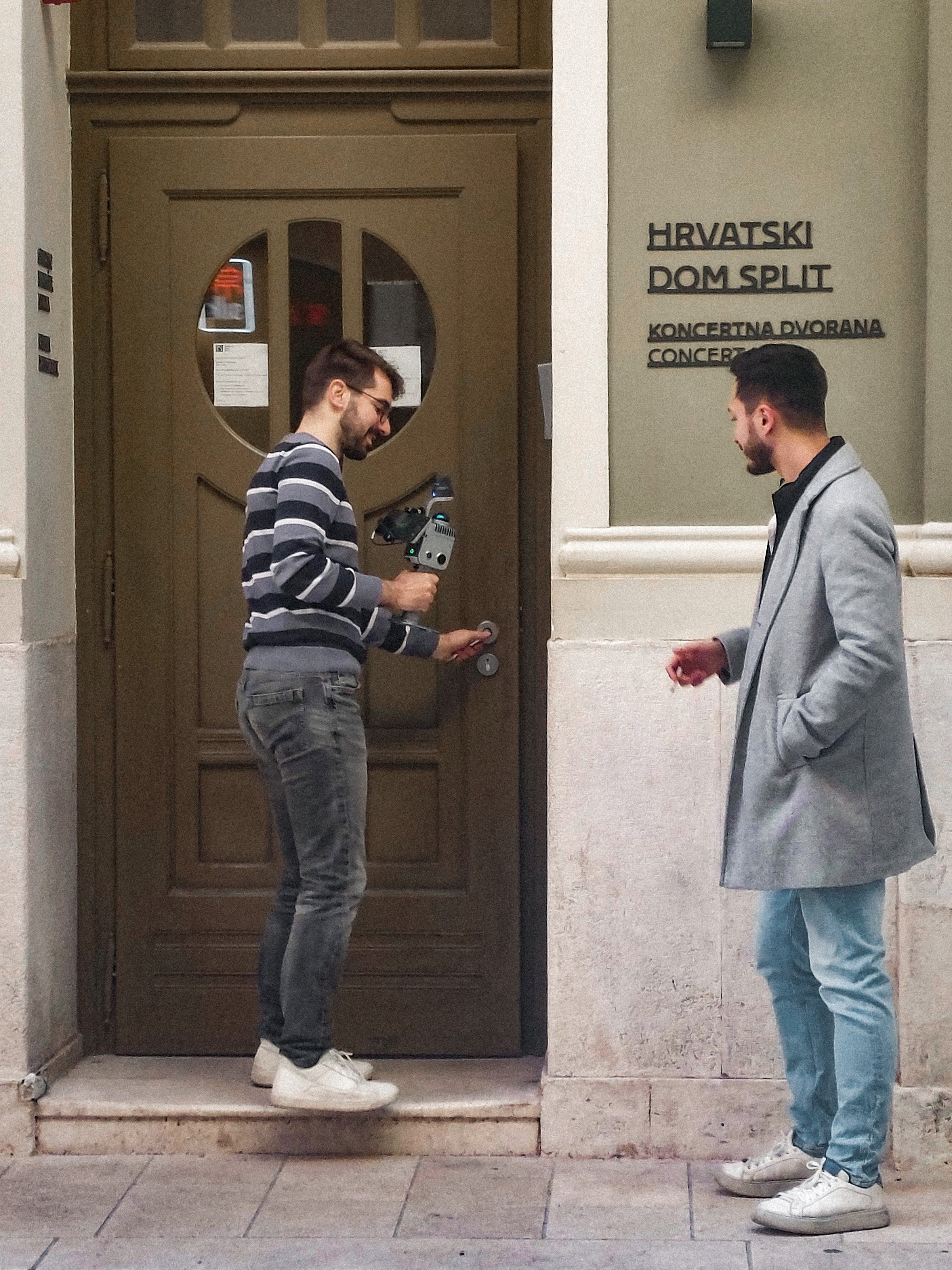
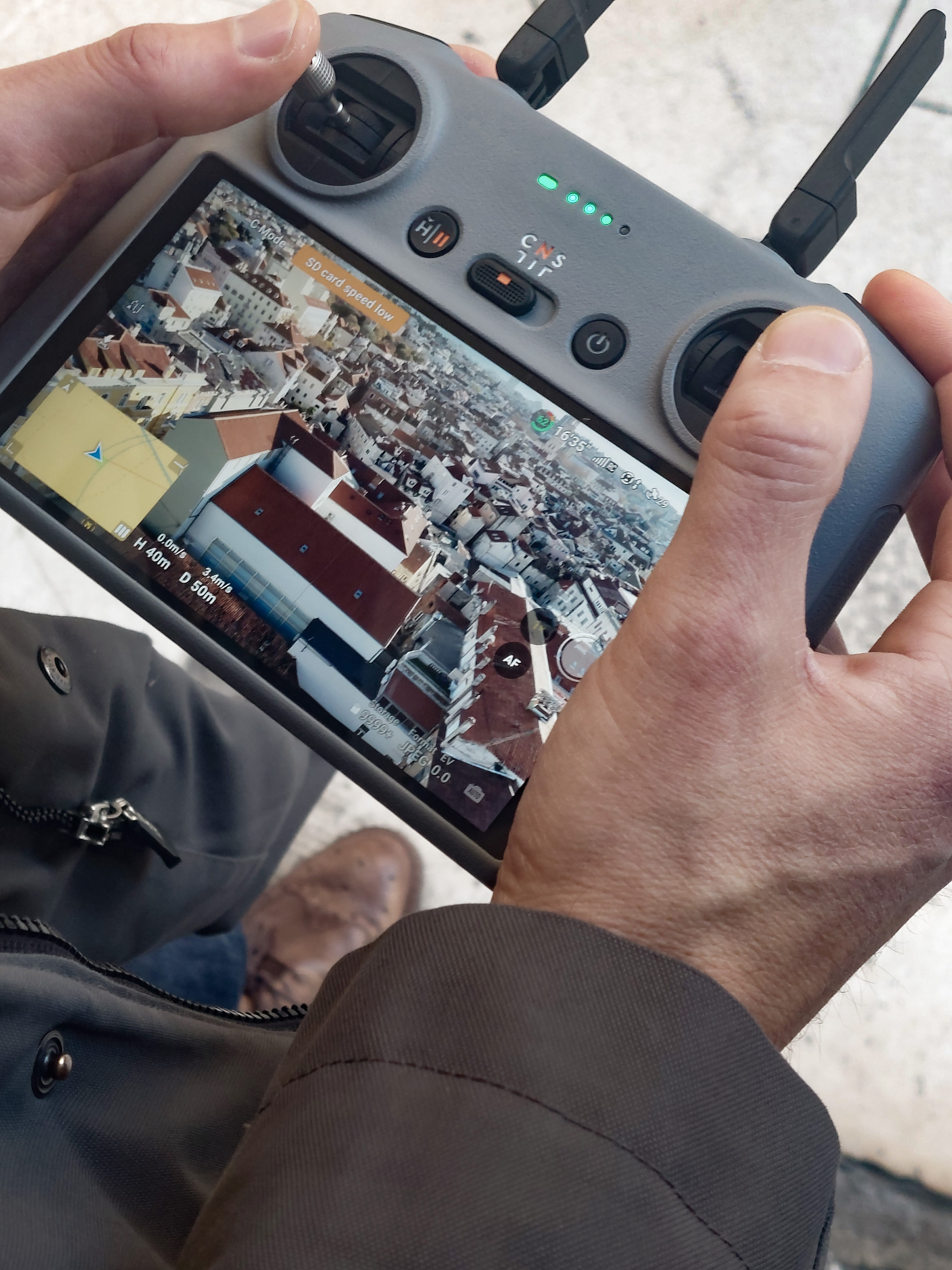
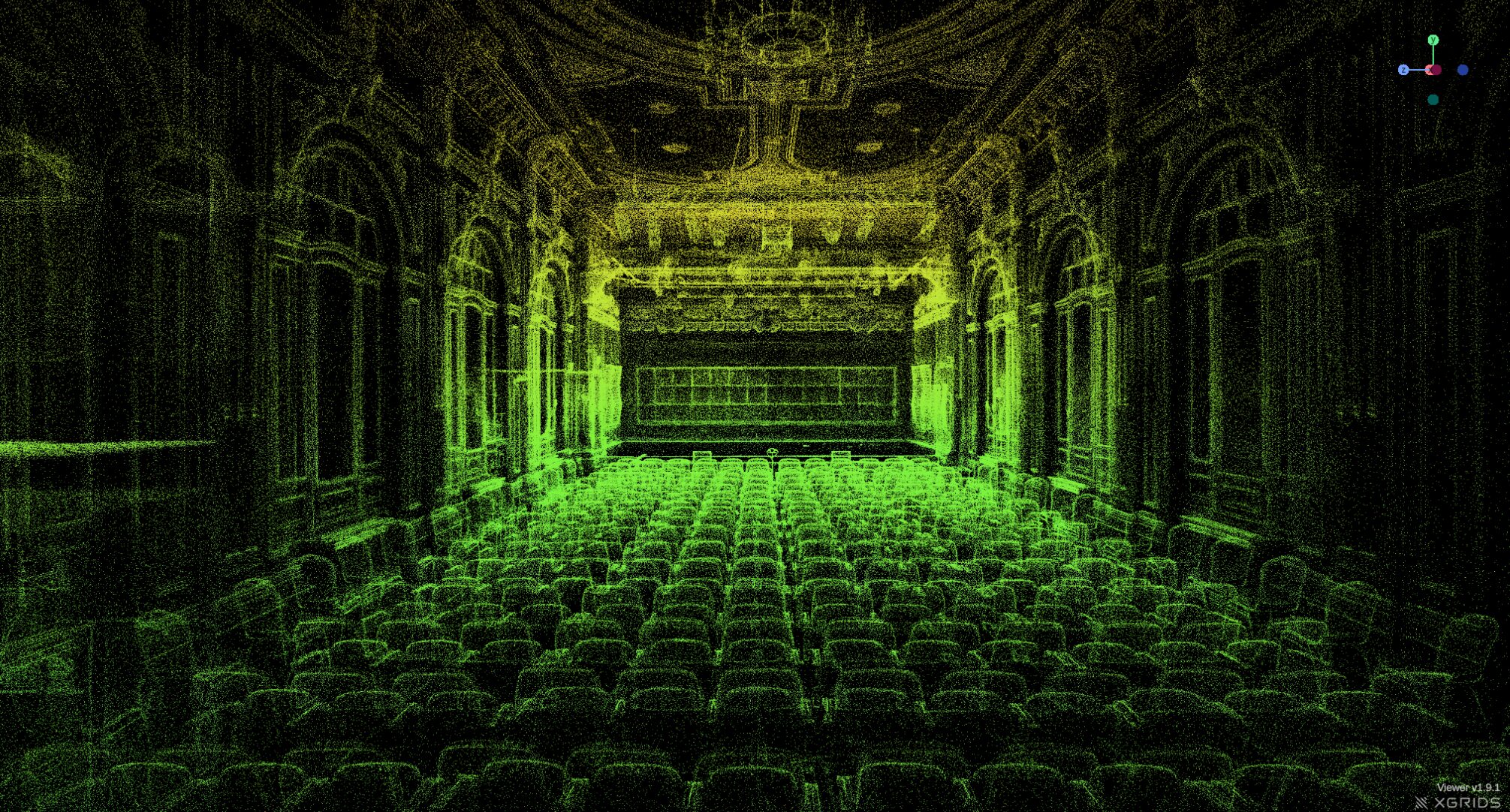
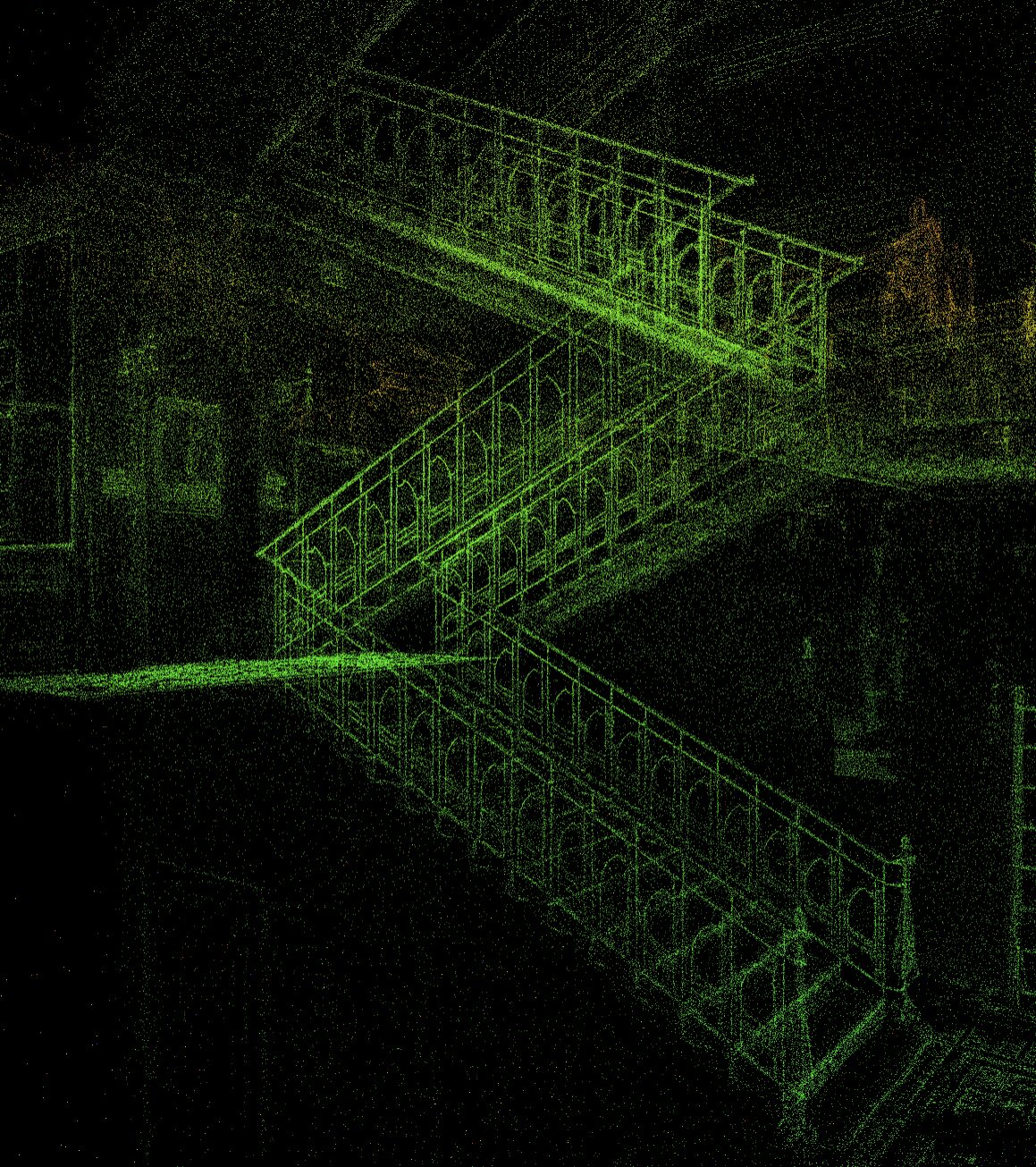
The project involved capturing the building using 3D SLAM scanning for the interior spaces and drone photogrammetry for the exterior, resulting in a complete and highly accurate digital model of the structure. The processing workflow included the registration and merging of point cloud data, generation of a mesh model, and optimization of geometry and textures for web-based visualization. Particular attention was given to balancing the level of detail and performance to ensure that the model could be accessed through standard web browsers without the need for specialized software. The outcome of the project is a digital model of the building and an interactive web platform (www.xrkultura.com) that enables immersive exploration of the space while providing interpretation of its historical context.
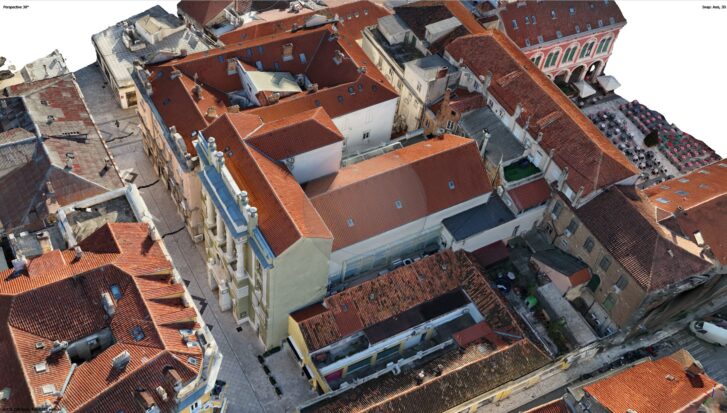
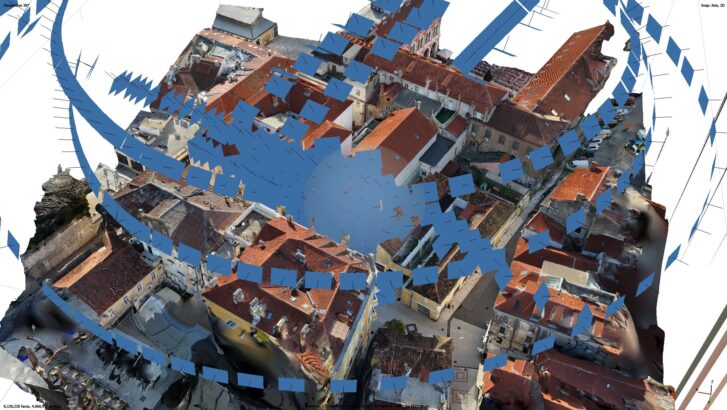
- Drone photogrammetry is the process of creating a 3D representation of objects or spaces based on a large number of aerial photographs, which are subsequently aligned, processed, and reconstructed into a geometrically accurate model.
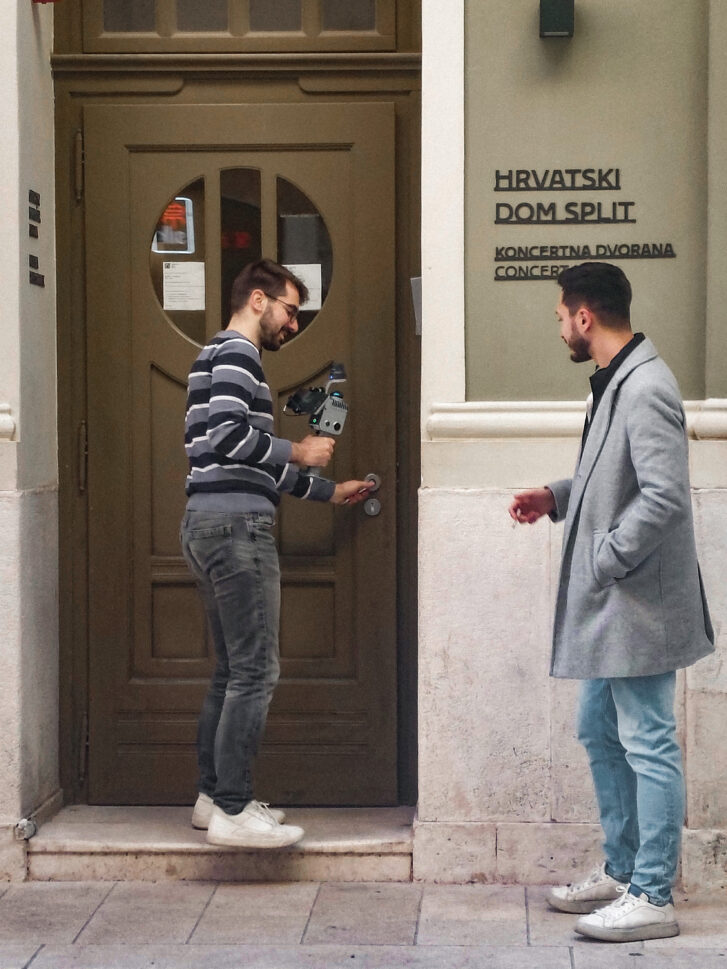
3D SLAM scanning is a method of 3D data capture that enables the precise documentation of spaces while moving through them, where the device simultaneously determines its own position and generates a 3D model of the environment based on data from LiDAR sensors and, when required, additional sensors such as cameras and IMUs.
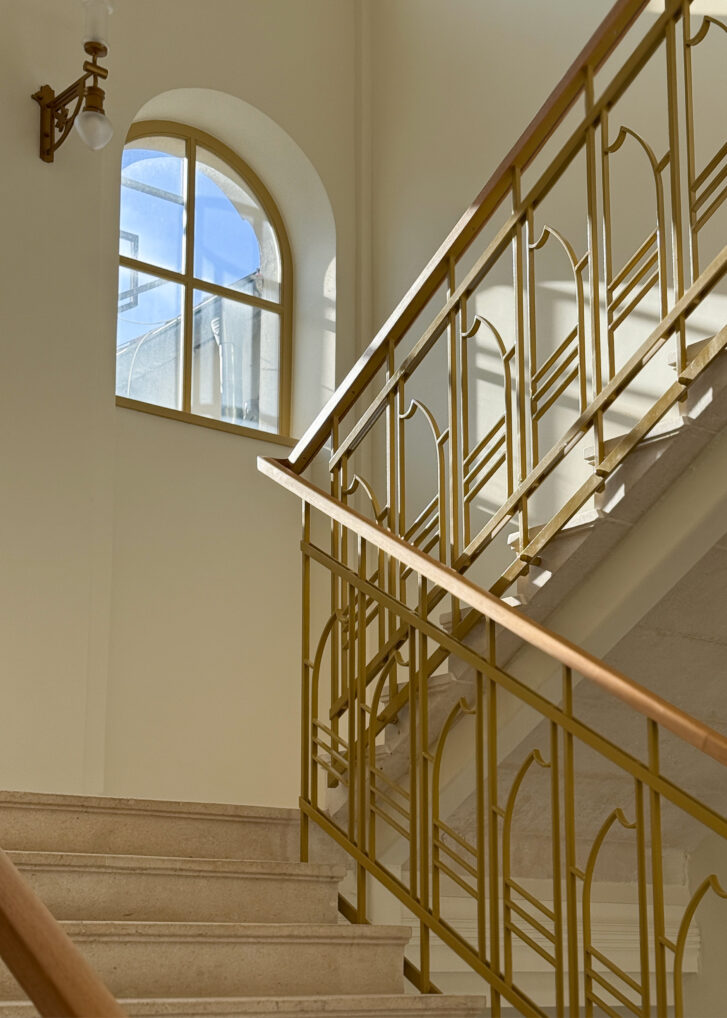


As part of the EU project XR Cultural Heritage, the digitalization of the Croatian House building in Split was carried out with the aim of exploring the application of contemporary 3D technologies in the documentation of architectural heritage. The Croatian Cultural Centre was selected as an example of a valuable and historically layered building that underwent a comprehensive restoration in 2019, during which its original Art Nouveau features were reinstated and its historical role in the cultural and social life of Split was reaffirmed. The project involved capturing the building using 3D SLAM scanning for the interior spaces and drone photogrammetry for the exterior, resulting in a complete and highly accurate digital model of the structure. The processing workflow included the registration and merging of point cloud data, generation of a mesh model, and optimization of geometry and textures for web-based visualization. Particular attention was given to balancing the level of detail and performance to ensure that the model could be accessed through standard web browsers without the need for specialized software. The outcome of the project is a digital model of the building and an interactive web platform (www.xrkultura.com) that enables immersive exploration of the space while providing interpretation of its historical context.
Drone photogrammetry is the process of creating a 3D representation of objects or spaces based on a large number of aerial photographs, which are subsequently aligned, processed, and reconstructed into a geometrically accurate model.
3D SLAM scanning is a method of 3D data capture that enables the precise documentation of spaces while moving through them, where the device simultaneously determines its own position and generates a 3D model of the environment based on data from LiDAR sensors and, when required, additional sensors such as cameras and IMUs.